
About us
Psychotherapy training
Additional three-year training in psychotherapy, focusing on family therapy at the Leuven Institute for System-Oriented Therapies. In 1994, I obtained a postgraduate degree in Psychodrama at Ghent University.
Jan Schrans was a guest lecturer in psychotherapy/psychodrama with adolescents at Ghent University, Faculty of Psychology, at Department of Developmental Psychology and at Department of Orthopedagogy.
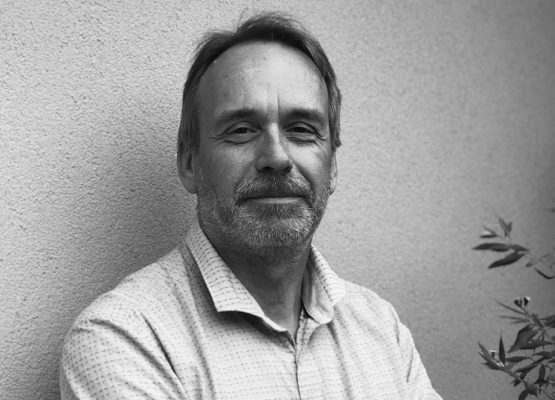
Clinical psychologist Jan Schrans
I have been a clinical psychologist since 1988 and a psychotherapist since 1991. I was accredited as a First-line Psychologist (ELP) and Specialised Psychological Care (GPZ)
Broad experience
I graduated in 1988, worked in a psychiatric hospital for 18 years, and from 2016 I specialised in the research and treatment of ADHD and ADD. Since 2001, I have run my own private psychology practice, Jovo.
Since graduation, I attended several long-term psychotherapy courses. With some patients, therapy yielded little. Without knowing exactly why. ADHD|ADD is often difficult to detect
Psychiatry
I worked for 18 years in a psychiatric hospital with adolescents and adults with severe to very severe psychological problems. There, I learnt test research of a multitude of psychological problems and worked as a clinical psychologist with adolescents and adults with various severe psychological problems. There, I conducted research, individual psychotherapy, group psychotherapy group psychodrama and a number of other group therapies in a multidisciplinary team.
Psychotherapy
k have extensive experience in treating severe mental disorders. My specialities are ADD and ADHD.
AD(H)D in adults, a well-kept secret
In 2012, it became clear to me that a multitude of these hard-to-treat patients might have ADHD. Further characteristics of ADD. For contact ADHD|ADD research.
Through my years of experience on the hospital team, I learned to detect patients with ADHD quickly and make a clean diagnosis.
But many of these patients returned. Because they were worried about the consequences of taking long-term medication for ADHD and ADD.
Own treatment programme
In 2016, we therefore developed a healthy treatment programme for adults with ADD without medication. Since 2016, Jan Schrans increasingly specialised in diagnosis and treatment of ADD and ADHD in adults.
Sabine Vranken, clinical psychologist, child psychologist, adolescent therapist
First work
In 1993, I graduated as a clinical and developmental psychologist from Ghent University. I could immediately start working as a licentiate in remedial education in a facility for people with mental disabilities. I gained experience in leading teams and drawing up treatment plans.
Education and CLB
In 1996, I made the switch to teaching. For almost twenty years, I worked in the CLB as a psychologist in primary and secondary education. All these years I guided pupils, parents and teachers with great passion. In 2015, I became director there. Since 2010, I have been working as an independent psychotherapist.
Lifelong learning is something I value highly. During my career, I took several long-term and short-term courses.
Publish
In 2015, together with Paulina Koeman, I published the book ‘’What can you learn from meerkats, Intervention techniques for solution-focused work with children and young people'.
People who work with me appreciate me for my enthusiasm, drive and positive attitude.
Further training
Thus, I immersed myself in behavioural therapy and ratio-emotive therapy. As I enjoy working with students with behavioural difficulties, I followed ‘LSCI’ and also a year-long course on ‘Nonviolent Resistance and New Authority’.
In 2002, I attended a three-year training course in solution-focused work according to the Solution Focused Milwaukee model. In 2008, I followed the four-year training as a psychotherapist in solution-focused therapy at the Korzybski Institute in Bruges.
I further promote solution-focused thinking by giving workshops and training sessions. I also coach teams to stimulate positive mutual interactions. One of the ways I do this is by using Open Mind. This is a solution-focused interaction game that I co-developed at the Korzybski Institute.
Psychologists
Jan Schrans
Approval Numer: 641104942 jan.schrans@gmail.com
Sabine Vranken
Approval Number: 692109216 psysabinevranken@gmail.com

 SCHRANS Jan