Eating is the first thing we do after we are born. Being fed is also the first thing that connects us to another human being, usually our mother. Eating is vital; without food we die. This is another reason why problems with eating are usually very invasive and persistent. Eating disorder treatment requires experience and knowledge.
Treating eating disorders as a profession
Treating your eating problems can be done here at our Practice through psychotherapy. I myself have been working with adolescents and adults with eating problems for 30 years. 18 years of it I also worked in a specialised hospital with adolescents with eating disorders. Below you will find lots of information about eating disorders and their treatment.
What is an eating disorder?
Eating disorders, eating problems or weight problems? These terms, such as eating disorder treatment or eating problem resolution, are often confused with each other. What is the difference between anorexia, boulemia, binge eating or obesity? Can eating disorder treatment change this?
Psychologist-JoVo helps you clarify your eating problem.

[maxbutton id=”1″]
But first, I explain how you might be able to prevent an eating problem.
Four tips to avoid eating disorder treatment
Whole grains
Opt for the whole grains oats, whole wheat, spelt, barley, rye, kamut, unicorn in bread and pasta. And for the gluten-free ‘grains’ quinoa, whole rice, buckwheat, millet...
Natural sugars
Avoid any consumption of bad sugars by not buying soft drinks, cornflakes, sweets, pastries, for example. Also, do not buy prepared food like pizza or lasagne from the supermarket as it is full of bad sugar. Make those yourself.
Go for unrefined, natural sugars like maple syrup (the sap of the Canadian Maple), birch sugar and coconut flour sugar. As well as cold-sweetened organic honey, corn syrup, fruit.
Since fruit also contains fructose, don't eat more than two or three pieces of fruit a day . Berries are particularly interesting in this respect because they contain less fructose and more nutrients. So does fresh apple juice, with its strong antioxidant effect (fisetin).
Limit your consumption of dairy products.
Healthy oils and raw honey
Oil
Buy cold-pressed (is different from ‘first pressing’) oil from olives, nuts, flaxseed, avocado, sesame and so on.
Butter
Fry, fry and spread with ‘good’ grass-fed butter (butter from a paper, from cows grazing on pasture). Forget forever all margarines and other processed butter such as ‘spreadable butter’ and ‘frying butter’.
Honey
And look for the raw honey, which arrives on shop shelves straight from the honeycombs. Without any unhealthy processing.
Green vegetables, white vegetables and red vegetables
Vegetables are the best source of carbohydrates because of their high fibre content, their nutrients (vitamins, minerals, antioxidants,...), low fructose content.
Potatoes are best cooked and served cold the day after. Or opt for sweet potato.
Of particular interest are all vegetables from the cabbage family (broccoli, cabbage, Brussels sprouts, cauliflower, turnip, radish, radish, radish,...), and all types of onions.
Organic food is healthy for body and nature!
Whatever one reads in the media, yet organic farming is better for the environment, has more respect for animals.
Organic means nature-friendly growing of crops. With more useful nutrients, more antioxidants, more secondary plant substances. Bio contains hardly any synthetic pesticides, no cadmium.
Healthy, organic food often prevents eating disorders and often makes eating disorder treatment unnecessary.
And it just tastes much better.
[maxbutton id=”1″]
Obesity - Eating disorder treatment
It is important to treat obesity in children and adolescents. Obesity also increases the risk of diseases such as later cardiovascular disease.

Also, an eating problem sometimes leads to other eating disorders such as bulimia nervosa. Obesity causes a lot of practical discomfort : clothes and swimming costumes don't fit, fights at home over food, ...
Obese children often suffer from bullies. Peers often see them as weak, dirty, stupid, lying, lazy, ugly, with little self-control and few friends.This causes anxiety, loneliness and depression. Obese boys experience fewer problems than obese girls.
Typical psychological problems in obesity are: inferiority, negative body image, feelings of guilt and shame.
Bulimia - Eating disorder treatment
Overcoming binge eating is much more difficult than those around the patient think. People with this eating disorder binge on their own, without hunger, and have feelings of guilt and shame afterwards.
People with the eating disorder bulimia (bulimia nervosa) vomit afterwards or use laxatives. The binge eating disorder occurs in 1% to 2% of the adult population. Young adults in particular struggle with binge eating.
[maxbutton name=”MAKE AN AGREEMENT”]
Anorexia Nervosa and eating disorder treatment
Eating disorders: adolescents with anorexia adolescents don't want to eat because they feel too fat. Even though they know somewhere that this is not so. After starving for a long time, their appetite disappears.

Treating anorexia nervosa is difficult. Patients often lack any sense of being ill. Anorexia is therefore a dangerous disease:
- 57% does not seek help (doctor, psychologist)
- However, 5% to 10% of patients die from the effects or by suicide
Eating disorder treatment to recognise anorexia
Check out 10 common features of anorexia:
- Extremely lean, weight loss.
- With occasional constipation, cold feeling.
- In addition, dry skin, hair loss, skin abnormalities
- And often accompanied by general exhaustion.
- Also disrupted menstruation, impotence in boys.
- Also anaemia, low heart rate, low blood pressure, lack of fever in infections.
- Besides hyperactivity, excessive exercise or sports.
- And also perfectionism and fear of failure, negative self-image .
- Finally, it sometimes leads to depression, anxiety and personality disorders.
Eating disorders: test
With a few sessions with a psychologist and careful follow-up by a dietician and your doctor, eating disorder treatment with psychological problems can sometimes be resolved early.
In other cases, intensive and long-term psychotherapy will be necessary to address underlying psychological problems. Intense cooperation with the family involved is usually required.
Eating disorder treatment with psychological problems
You tried just about everything to get rid of your eating problems. Still, you are not succeeding! An eating disorder is a tough psychological problem. And eating disorder treatment with psychological problems is not easy.
Eating problems sometimes require intensive psychotherapeutic treatment.
“Eating disorders treatment, I did for 18 years in a specialised hospital as a psychotherapist. Tackling an eating problem requires a lot of knowledge and experience from the psychotherapist. And a lot of perseverance from the patient.” -Jan Schrans
Eating disorder treatment with psychological problems?
- In case of abnormal eating behaviour
- With too much food in too short a time,
- Eating followed by vomiting
- Either extremely little food
- And this with an extremely negative body image,
- or with extreme difficulty losing their own weight.
You cannot overcome your eating disorder alone,
make an appointment for treatment
Addressing the root causes can.
Is admission necessary for an eating disorder?
When weight has fallen below a critical threshold (BMI <14.5), the disease becomes life-threatening and hospitalisation is often unavoidable in a specialised clinic (e.g. eating disorders U.Z. Ghent).
Psychologist Jan Schrans has 18 years of experience with treatment of eating disorders in a specialised clinic. Avoid (re)admission.
[maxbutton id=”1″]
Healthy eating as therapy, without sugar

Preventing eating problems: choosing the right food
Eating healthy is the best therapy to stay healthy and to prevent eating disorders.
We are independent of and critical of Big Pharma. As well as for the sometimes scientifically ill-founded food and health industry, and for the problems in industrial agriculture and animal husbandry.
Below, we give an initial introduction to sugars, without getting too technical or too simple.
Eating disorder treatment with psychological problems: long live calories!
The first criticism of the health and nutrition industry is their one-sided emphasis on how much one eats (‘too many calories!’). Rather than on its quality (the right nutrition).
Vegetables and whole grains, for example, contain as many calories as refined sugars. But their effect on health, as we know, is completely different.
Sugar
Sugar is best known as the snow-white lumps from Tienen you put in your coffee. The general term for sugars are carbohydrates.
Important at healthy sugars are their glycaemic index (how fast sugars raise glucose levels in the blood), antioxidant activity (protects us from air pollution, inflammation, ageing,...) and the associated nutrients (vitamins, minerals,metals,...) they contain.
Types of sugars
Carbohydrates consist of chains of glucose, fructose and/or galactose. There are complex carbohydrates (in cereals, vegetables, potatoes, nuts,...) consisting mainly of chains of glucose exist and are not sweet (!).
Medium carbohydrates are chains of fructose (in vegetables, beans, cereals,...), are weakly sweet and very important for our intestines.
Short carbohydrates consist of chains of glucose , fructose and/or galactose.The latter are sweet-tasting and the fructose in particular is unhealthy in these.
Healthy and dangerous sugars
Rather than the amount of sugar one consumes, it is the quality of the sugar that is important.
A study of the Western grain refining process also makes this clear: each grain is stripped of its germ and bran until only an empty flour body, a literally white product remains: high glycaemic index, no nutrients or antioxidants, no fibre.
You can eat this literally fried air in the form of white bread, brown bread, white rice, cakes and pastries, doughnuts, baguettes, sandwiches.
Sugar= energy source
What is the importance of nutrients?
Our body works like a classic internal combustion engine.
With fuel in the form of glucose that provides the body with energy through combustion in our body cells. This also requires the listed nutrients (Vit B, magnesium, metals,...) that enable combustion after oxygen is added.
So what happens when sugars are refined? After refining, only the glucose remains, no nutrients. To burn, the missing nutrients are ‘stolen’ from our own bodies. So to join oxygen and glucose to enable the burning process in our body's cells.
So eating refined sugars is preying on one's body.
The sweetness of sugar
There are still problems with refined sugars. Eating sugars with a high glycaemic index causes blood sugar spikes. This is partly stopped by beta glucans. These are certain fibres.
By now, you had already realised that refining also removes this fibre from our diet. These spikes cause increased production of insulin by the pancreas which, after years of overuse of refined sugar, leads to depletion of the pancreas resulting in hyperglycaemia and hypoglycaemia.
Little known (and often denied) is that it is not fat but sugar in particular that is responsible for higher cholesterol in the blood. And that in the same vein, not salt but sugar is the main cause of high blood pressure. This can also eventually lead to adrenal exhaustion.
Fibre in food
Refining also removes fibre from our food, which also has pernicious effects on our health.
In a subsequent blog, we will elaborate on these disastrous effects of unhealthy food on the body, both in the short and long term.
Eating disorder treatment with psychological problems
Sugar as an eating disorder
What is good nutrition?
Healthy diet as a treatment for eating disorders? Either way, healthy eating can help in avoiding so-called Western civilisation diseases.
Such as autoimmune diseases (CFS, Crohn's, MS,ALS), cancer, cardiovascular diseases, ADHD and ADD, fibromyalgia,
Especially whole-grain cereals (with germ and fibre) and natural sugars (with nutrients). Preferably organic vegetables and plenty of organic fruit.
Impact on body of wrong carbohydrates
Long-term use of refined sugar
Meanwhile, there has been some scientific research on the subject. This shows that short, refined sugars are very unhealthy. And in the longer term, they cause all kinds of diseases.
Healthy natural sugars
Bad sugar is more dangerous than salt and fats. The food industry insists that (refined) sugars contain as many calories as fruit and vegetables.
But unlike refined sugars, these natural sugars still contain all nutrients (including combustion=energy, vitamins and minerals), bring antioxidants and usually have a low glycaemic index.
Refined unhealthy sugar
Refined sugar causes high blood sugar levels that stress the pancreas (e.g. type 2 diabetes) and raise blood pressure and cholesterol, even more than salt or fat do (e.g. cardiovascular problems)! Also resulting in obesity.
In turn, obesity often leads to other problems, such as fatty liver, cancer, cardiovascular problems.
High blood sugar can lead to sugar addiction, adrenal exhaustion (fatigue, stress), tooth deterioration, etc.
Long-term consequences of sugar intake also include poor digestion with gastrointestinal problems, one gets sick faster, diabetes, weak bones. Sugar also causes faster deterioration of organs such as the eyes (cataracts), heart, brain (e.g. Alzheimer's or Parkinson's), rapid ageing of the skin.
Fructose as creeping poison
Less well known is the food industry's trick with fructose. Fructose is sweeter and contains fewer calories (lower glycaemic index). So better for obesity and diabetes? Noops! Refined fructose is a nutrient robber that causes heart disease, liver and intestinal problems, causes ageing, etc. Fructose does not provide a feeling of satiety, so too much is eaten.
Long-term use of refined grains in the diet
Refined grain (white flour) has been stripped of fibre and germ. Fibre provides slower release of sugars and inhibits the absorption of cholesterol in the blood. They improve bowel function and bowel movements. White flour (white and light brown bread, sandwiches etc) disrupt intestinal flora, can cause haemorrhoids and bowel bulges or intestinal cancer. It can also lower immunity over time.
Fibre also causes slower release of sugars. Lack of fibre therefore causes blood sugar levels to rise more quickly, resulting in overeating and obesity. Fibre also prevents excessive gastric acid that causes stomach complaints and ulcers. Fibre also cleans the teeth, giving better protection against tooth enamel deterioration.
[maxbutton id=”1″]
Sweetener as an eating problem
Bewilderment, disbelief, anger. It is difficult to articulate the right feeling on the consequences of the poison the food industry produces and sells as ‘sweetener’.
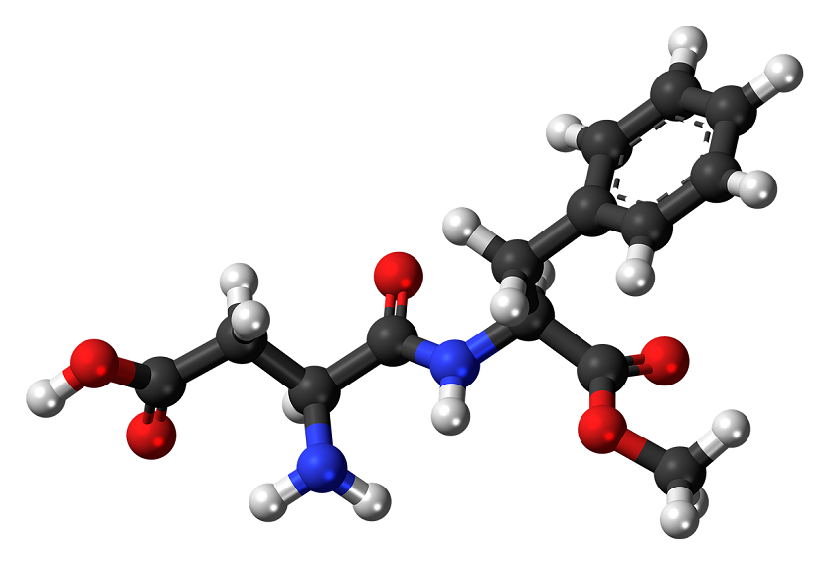
This is a sugar substitute that makes our food or (soft) drink ‘light’ or ‘zero’.
A dangerous problem: sweetener
The food industry likes to tell you that sweeteners healthier than sugar because they contain no calories. Nothing could be further from the truth. Science teaches us that in our diet sweetener a dangerous eating problem Is. Eating disorder treatment with psychological problems may be caused by sweetener.
We explain the science behind this dangerous chemical stuff in our daily fare.
Sweetener in food: a creeping poison
A commonly used sweetener is aspartame.
A daily dose of the basic component aspartame in sweetener was tested on rats. One divided the daily dose of aspartame administered (at which rats just barely didn't die) by 100 and arrived at 40 mg/kg/day. This is still now the upper limit for human use, despite new and disturbing research.
People forgot to ask the rats whether it depressed them or gave them migraines. Moreover, years later (reliable) research showed that rats are physically better (up to six times better) protected against aspartame than humans. And that aspartame is carcinogenic in rats from 20 mg/kg/day.
Scientific findings of sweetener use
Synthetic sweeteners are completely foreign chemical compounds to the body.
The sweetener aspartame, a derivative of fire alcohol (toxic), is converted to form formic acid (toxic) and ‘strong water’ (carcinogenic, toxic).
Aspartame includes aspartic acid.
It also contains pheylalanine. Heating aspartame (in coffee, for example) produces diketopiperazine. Aspartame also increases the secretion of incretins.
Eating disorders caused by sweetener in humans
Aspartic acid puts brain cells into overdrive (risk of migraines, epileptic seizures, hyperactivity). Phenylalanine disrupts the balance of neurotransmitters in the brain (risk of depression/anxiety/ mood swings). Diketopiperazine could cause brain and uterine tumours, it would also have a bad effect on intestinal flora, and it could be dangerous for the foetus. Incretins affect insulin levels. Sweetener is often recommended in people with diabetes but, on the contrary, it increases insulin levels!
Research into sweetener eating problems in humans
Very large (e.g. 260,000 people) and very long-term (e.g. 22 years of follow-up) reliable scientific research shows, among other things, 30% more risk of lymphoma and bone marrow cancer in men who drink 1 or more light soft drinks per day.
Other studies showed 2.9 times more chance of dementia with regular drinking of light soft drinks. Three times more chance of stroke, 48% more chance of cardiovascular disease when drinking soft drinks. 31% more chance also of depression than when drinking sugared soft drinks. Double the risk of diabetes.
Furthermore, light soft drink consumption is seen to decrease kidney function by 30%. And there is 38% greater risk of preterm birth with 1 light soft drink a day. There is very clear evidence that aspartame makes one fatter.
Food industry research and independent research
100 % of studies paid for by the food industry find Aspartame safe. 92 % of independent scientific studies find symptoms and disorders associated with aspartame consumption.
These studies find links to neurodegenerative diseases such as MS, dementia and Parkinson's, among others. But also epilepsy, autism, migraines, ADHD. Also depression and mood disorders. Diabetes and metabolic syndrome. Cardiovascular diseases, eye disorders, problems during pregnancy and lactation, liver and kidney diseases. Also fibromyalgia, C.V.S. and others.
Science tells us that in our diet sweetener is a dangerous eating problem. Supposedly, there are many thousands of people with aspartame poisoning.
[maxbutton id=”1″]
Fats as an eating problem
In 1953, fats became a eating problem.When a falsified study* claimed something completely false.
Namely, that there is a link between eating saturated fats and cardiovascular problems. The role of refined sugar and white flour products in our diet was not taken into account. Still the food industry makes profits using this old lie.
Since then, the food industry has been spreading the wrong message, which is: saturated fats are unhealthy, unsaturated fats are healthy. This is pertinently false: our bodies need both good-quality saturated and unsaturated fats.
Even on the contrary, saturated fats tolerate heating better and they protect against oxidation much better than unsaturated fats! Breast milk, for example, consists of about half of saturated fat... And peoples who eat a lot of saturated fat hardly know any cardiovascular diseases.
The benefits of saturated fats
Saturated fats are needed for cell membranes, they are a more efficient source of energy, they play a crucial role in our body's immunity. Saturated fats are also important in the functioning of our nerves, in building our bones, and for the proper functioning of our lungs and kidneys.
On the contrary, it is three-quarters unsaturated fats that clog our arteries. Saturated fats lower so-called ‘heart attack cholesterol’ and they reduce the risk of cardiac artery calcification!
That sounds like swearing in church to you? Then let's take a quick look at the food industry.
Food industry earns from unhealthy oils and margarines
The food industry pounced on the mentioned research like a hungry wolf pounces on a fat rabbit . Why? Quite simply. Because there is a lot of money to be made. Any petty farmer with a pregnant cow can make ‘good’ milk from white milk in an artisanal way.’ solid yellow making butter. So there is nothing to be gained from that.
With the slogan ‘saturated fat is unhealthy’, refined unsaturated fat is still massively advertised.
Eating disorder treatment with psychological problems
Unsaturated fats, however, are predominantly plant-based liquid, dark-coloured oils. Turning them into solid yellow spread and frying butter or margarine (which looks like real butter!) requires a complicated, expensive and, above all, very unhealthy refining process.
This involves use of toxic solvents, as well as pressing, bleaching, high-temperature deodorisation and decolourisation, removal of the natural bitter side flavour, washing and gumming, adding synthetic antioxidants. The hardening of these processed liquid unsaturated oils into solid (spread) butter creates trans fats.
And these cause more inflammatory diseases. Like cardiovascular disease, cancer, diabetes, obesity, osteoarthritis, eye problems, ADD...
But there is more to it.
Fat and oil as an eating problem due to too much omega 6
In the refining described, antioxidants, vitamins and minerals are lost and toxic processing and additives happen.
But overall, the emphasis on eating unsaturated omega 6 oils (including groundnut oil, corn oil, soybean oil, sunflower oil, frying oils, margarines, frying butters,...) in our diet creates an imbalance. A skewed balance between omega 6 fatty acids and omega 3 fatty acids.
Back when we lived by hunting and fishing, that balance was 1-1. One omega 3 for one omega 6. Unhealthy it gets from one omega 3 versus four omega 6. Currently, we are at a ratio of 1-17. In U.S.A., it's 1-25.
Along with the overuse of refined sugars, replacing saturated fat and ‘good’ butter with mostly omega 6 is the root cause of these Western inflammatory diseases. Fats became an eating problem under the false pretext of healthier eating.
It gets even more cynical now that people are adding omega 3 and antioxidants to those unhealthy margarines and frying butters. Eating disorder treatment with psychological problems can sometimes be remedied by healthy eating.
*Keys, A. (1953) Atherosclerosis: a problem in newer public health. Journal of Mt Sinai Hospital. July-Aug; 20 (2), 118-139. About the danger of fats.
**Nutrition as first medicine, Dr Geert Verhelst, Reliantie Instituut vzw, in Ghent on 08/02/2019
[maxbutton id=”1″]